Routine Maintenance
Focus on socket and ratchet sets, combination wrenches, screwdrivers, pliers, a suitable torque wrench, a code reader, and basic battery testing.
Best for oil, battery, filter, brake, and general maintenance tasksBuild a smarter garage around the work you actually perform. This guide explains how to compare diagnostic equipment, precision hand tools, lifting equipment, workshop systems, and storage without paying for features you will not use.

The best automotive tool is not automatically the most advanced model. It is the tool that covers your vehicle, provides the correct working range, fits your available space, and remains dependable at the frequency you expect to use it.
Focus on socket and ratchet sets, combination wrenches, screwdrivers, pliers, a suitable torque wrench, a code reader, and basic battery testing.
Best for oil, battery, filter, brake, and general maintenance tasksPrioritize OBD2 coverage, live data, battery analysis, protected circuit testing, readable displays, replaceable leads, and vehicle-compatible probes.
Best for warning lights, charging issues, wiring faults, and sensor checksAdd compression and fuel system testers with the correct pressure range, durable hoses, readable gauges, and adapters suited to your engine platform.
Best for engine condition, fuel delivery, and performance diagnosisCompare rated capacities, working ranges, footprint, wheel quality, storage load, compressor output, and available floor space before purchasing.
Best for lifting, engine work, air tools, organization, and frequent repairsDiagnostic tools should answer a specific question clearly. Compare vehicle coverage, test range, data quality, update requirements, connector quality, screen readability, and the level of system access you genuinely need.
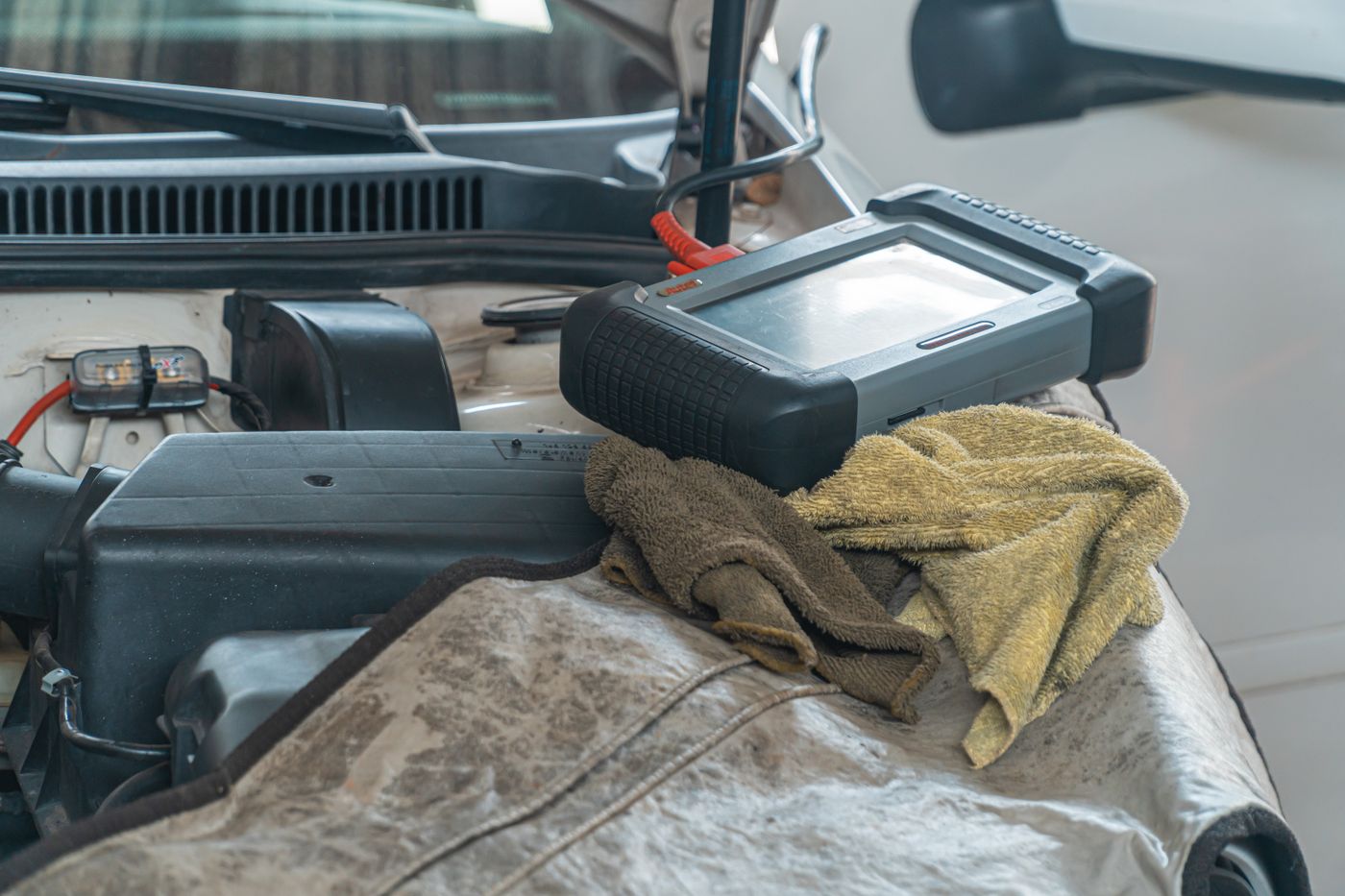
Look beyond code reading. Compare live data, freeze-frame information, readiness monitoring, graphing, vehicle coverage, screen quality, connection type, and update policy.
A basic reader is suitable when you mainly need check-engine codes, emissions readiness, code definitions, and a compact device that is easy to keep in the vehicle.
Check supported battery voltage, battery chemistry, testing standards, rated capacity range, cranking analysis, charging analysis, clamp quality, and result readability.
Choose automotive-appropriate voltage coverage, protected probes, durable insulation, clear polarity indication, replaceable accessories, and a design suitable for confined areas.
Compare gauge range, scale readability, hose length, pressure retention, release control, thread adapters, quick connectors, and engine compatibility.
Confirm the tool is intended for the fuel system being evaluated. Review pressure range, hose construction, adapter selection, gauge protection, and storage quality.
A longer feature list has little value when the scanner, tester, adapter, voltage range, or pressure range does not match the vehicle being serviced.
Hand tools earn their value through fit, control, durability, and comfort. Build around the fasteners you encounter most often, then add specialty sizes and profiles only when the work requires them.
Select a drive size and torque range that place your common specifications near the middle of the tool range. Compare scale visibility, adjustment lock, calibration documentation, and storage case quality.
Compare metric and SAE coverage, shallow and deep sockets, six-point engagement, ratchet tooth count, handle length, extension selection, universal joints, and case organization.
Inspect size progression, jaw fit, handle profile, offset, finish, marking visibility, ratcheting direction, and access around crowded engine compartments.
Match the set to common Phillips, slotted, hex, Torx, and security profiles. Review tip machining, magnetic retention, handle grip, shaft length, and bit organization.
Build a useful mix of slip-joint, locking, long-nose, diagonal-cutting, hose-clamp, and specialty gripping tools with comfortable handles and clean jaw alignment.
Compare shaft material, handle security, tip shape, striking-face material, overall length, balance, and storage requirements. Choose sizes appropriate to the intended repair environment.

Larger equipment must fit the vehicle and the workspace. Capacity ratings, working height, footprint, caster quality, storage dimensions, air delivery, duty cycle, and floor conditions should all be reviewed before purchase.
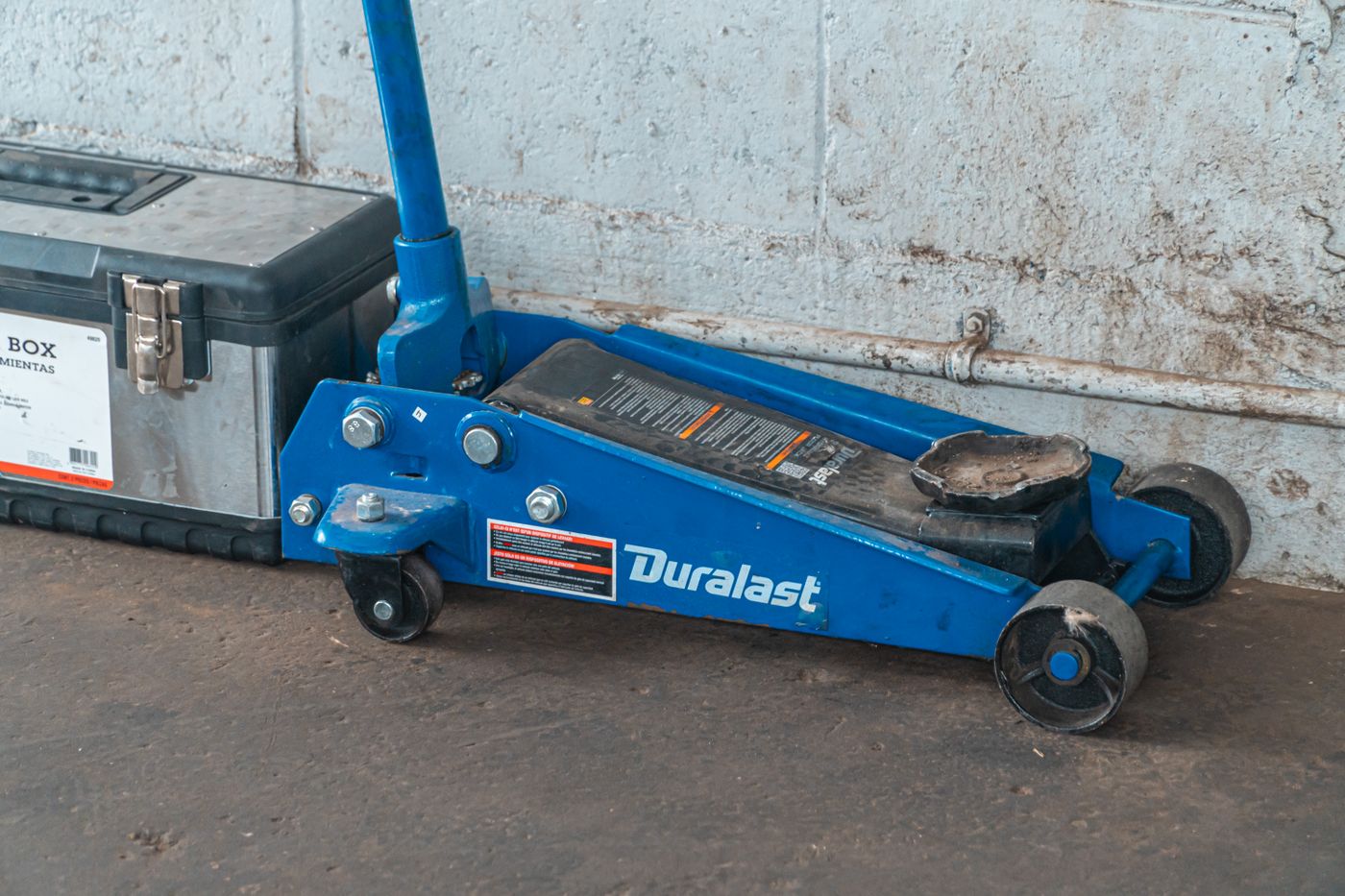
Compare rated capacity, minimum saddle height, maximum lift height, chassis length, lifting speed, wheel construction, handle control, and overall product weight.
Review pair capacity, base footprint, height range, saddle shape, locking design, weld quality, adjustment spacing, and suitability for the approved support points.
Compare capacity at each boom position, boom reach, leg width, folded dimensions, caster quality, hydraulic control, assembly quality, and available storage space.
Match air delivery at the required pressure to the highest-demand tool. Compare duty cycle, tank size, noise level, power requirement, drain access, and portability.
Review weight capacity, frame construction, deck length, padding, wheel diameter, ground clearance, seat height, parts tray design, and ease of cleaning.
Compare cabinet dimensions, drawer depth, total load rating, individual drawer capacity, slide type, caster rating, lock design, handle placement, and expansion options.
Choose properly rated lifting and support equipment, follow the manufacturer instructions, work on a suitable surface, and use the approved vehicle support points.
Use this matrix to focus on the specifications that have the greatest effect on compatibility, usefulness, durability, and workspace fit.
| Tool Category | Primary Purpose | Compare First | Common Buying Mistake | Priority |
|---|---|---|---|---|
| OBD2 Scanner | Electronic diagnosis and vehicle data | Vehicle coverage, systems, live data, update terms | Buying advanced functions that are not supported on the target vehicle | Compatibility |
| Battery Tester | Battery, cranking, and charging analysis | Voltage, chemistry, capacity range, testing standards | Ignoring battery type or rated testing range | Range |
| Torque Wrench | Controlled fastener tightening | Drive size, torque range, scale, calibration | Choosing a range that places common specifications at an extreme | Accuracy |
| Socket Set | General mechanical repair | Size coverage, depth, drive sizes, ratchet quality | Prioritizing total piece count over useful coverage | Coverage |
| Hydraulic Jack | Vehicle lifting | Capacity, minimum height, maximum height, footprint | Ignoring ground clearance or required lifting height | Capacity |
| Air Compressor | Supplying air tools and inflation equipment | CFM at PSI, duty cycle, tank size, power, noise | Comparing tank volume without checking air delivery | Output |
| Storage Cabinet | Organizing and protecting tools | Drawer load, slide quality, dimensions, casters | Buying for current tool count without allowing future growth | Load |
A layered buying plan helps you cover common work first, then add diagnostic depth and workshop capacity as your repair needs expand.
Begin with versatile tools that support routine vehicle care and common fastener work.
Add tools that help separate electrical, battery, engine, and fuel-related problems.
Expand only after confirming capacity, workspace dimensions, storage, and power requirements.
A quick specification check can prevent poor fit, duplicated tools, insufficient capacity, limited compatibility, and equipment that does not suit the available workspace.
ToolMotion support is available around the clock for order and product-related questions.
All ToolMotion products include free shipping with no separate shipping charge.
Standard delivery is generally expected within three to five business days.
Eligible products may be returned or exchanged within thirty days under the applicable policy.
Use these answers as a final reference when comparing diagnostic tools, hand tools, lifting equipment, workshop systems, and storage.
Choose a code reader when you mainly need engine fault codes, emissions readiness, and basic information. Consider a more capable diagnostic scanner when you need broader system coverage, live data, graphing, service functions, or deeper vehicle-specific access. Always verify exact vehicle and function support before purchasing.
Review the torque specifications you expect to use most frequently and choose a wrench that places those values comfortably inside its working range rather than at the extreme minimum or maximum. Also confirm the required drive size, unit markings, calibration information, and storage requirements.
No. Useful size coverage, socket depth, drive sizes, ratchet quality, extensions, and case organization are generally more valuable than a high piece count filled with rarely used accessories or duplicated bits.
Confirm vehicle weight, required lifting points, ground clearance, minimum saddle height, maximum lift height, jack footprint, wheel quality, and available working space. Choose properly rated support equipment separately and follow the vehicle and equipment manufacturer instructions.
CFM describes air delivery. Compare the compressor output at the pressure required by the intended air tool. Also review duty cycle, tank size, power supply, noise, hose requirements, portability, and workspace ventilation.
Review pressure range, scale clarity, hose construction, pressure retention, release control, connector quality, adapter sizes, and compatibility with the intended engine and spark plug thread.
Measure the available floor and wall space, count current tools, identify deep or oversized items, and allow room for future expansion. Compare individual drawer load, total cabinet load, slide type, caster capacity, drawer depth, security, and handle placement.
Begin with general hand tools and a basic code reader, add diagnostic and testing equipment as repair needs become clearer, and purchase lifting, air, engine, and storage equipment only after confirming capacity, workspace, and frequency of use.
Share the vehicle details, the type of repair, the tool category, and the specifications you are comparing. ToolMotion can help clarify product information before you complete your purchase.

Address
27559 Dupre Dr, Romulus, MI 48174, United States